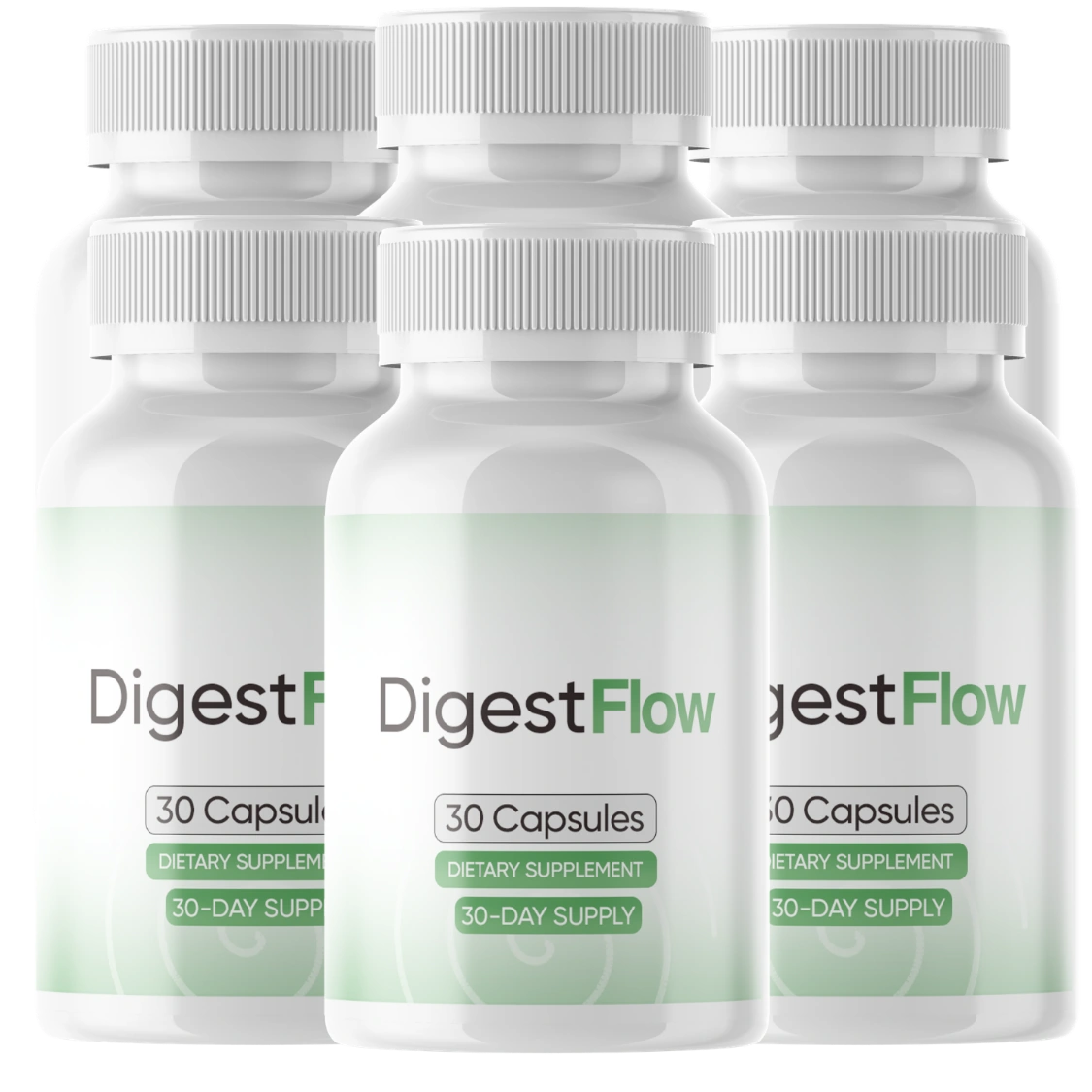
DigestFlow Official Website › Guides
GuidesDigestFlow Guides: The Category, And How To Judge A Label
Two guides sit behind this website, and neither of them is about buying DigestFlow.
One explains the five kinds of digestive supplement and how each acts. The other is a ten-question checklist for judging any label in the aisle, applied in public to this desk's own product, where it scores 7.1 out of 10.
Written for somebody standing in front of a shelf rather than for somebody already holding this bottle.
The two guides
A digestive supplement guide
The five groups on this shelf and how each one acts: fibre, enzymes, probiotics, bitters and carminatives, and stimulants. Where the evidence is strongest, how to read a panel in four minutes, what none of them can do, and a glossary for the terms the aisle throws at you.
Read the category guide
Choosing a digestive supplement
Ten questions that tell you more than any front label, each explained, then applied to DigestFlow with the scores published whatever they came to. Two of the ten score three out of ten and the reasons are set out rather than softened.
Read the checklist
The DigestFlow blog, and what is in it
Five long posts sit alongside these two guides, and they are about this product's own panel rather than about the category. Each one runs fifteen hundred to two thousand words and cites four to six sources that were checked rather than copied.
- Why a gut capsule carries 138 mg of caffeine, which is the row with the best evidence in the organ this product is sold for.
- The green coffee trial that was retracted, and why it is still quoted everywhere.
- Garcinia, HCA and the liver case reports, stated precisely rather than dramatically.
- Raspberry ketone: what the mouse study actually showed, and the human gap that never closed.
- Digestive symptoms a capsule cannot answer, which is the post that costs this desk the most.
The full index, with teasers and reading times, is on the blog.
Why this desk publishes guides that do not sell anything
Because a page that only says buy this is a page with nothing to check, and a reader has no way of telling a careful seller from a careless one.
The checklist is the clearer case of the two. It is a set of questions this desk's own product answers badly twice, and publishing the scores is the only thing that makes the eight good scores worth reading. A checklist written to produce a ten out of ten would be a sales page with a table in it.
The category guide is the other half of the same argument. Somebody who works out that they wanted a fibre or a probiotic has been well served by reading it, and this desk sells neither.
Sources used across both guides
The agency pages both guides lean on, and the desk that wrote them.
- National Institute of Diabetes and Digestive and Kidney Diseases. Your Digestive System and How It Works. https://www.niddk.nih.gov/health-information/digestive-diseases/digestive-system-how-it-works
- National Center for Complementary and Integrative Health. Probiotics: What You Need To Know. https://www.nccih.nih.gov/health/probiotics-what-you-need-to-know
- National Center for Complementary and Integrative Health. Dietary and Herbal Supplements. https://www.nccih.nih.gov/health/dietary-and-herbal-supplements
- National Institutes of Health, Office of Dietary Supplements. Dietary Supplements for Weight Loss: Health Professional Fact Sheet. https://ods.od.nih.gov/factsheets/WeightLoss-HealthProfessional/