DigestFlow Official Website › Blog › Gut Health Supplements
Gut Health Supplements: 7 Checks Before You Buy Any Bottle
The gut health aisle sells very different things under one heading. These seven checks work on any bottle, whether it is a probiotic, a digestive enzyme or a capsule, and DigestFlow is used as the worked example.
Quick answer: Gut health supplements fall into five groups that act in different ways: fibre, enzymes, probiotics, bitters and stimulants. Do not compare bottles across groups. Check the group, the printed weights, the standardisation, any hidden caffeine, the fit with the claim, the testing and the exit terms. No bottle can replace a doctor for persistent symptoms.
- Five groups act in five ways: fibre, digestive enzymes, probiotics, bitters and carminatives, and stimulants.
- Probiotic effects are specific to strain, dose and condition, so a result for one strain says little about another.
- A proprietary blend makes every individual amount unknowable.
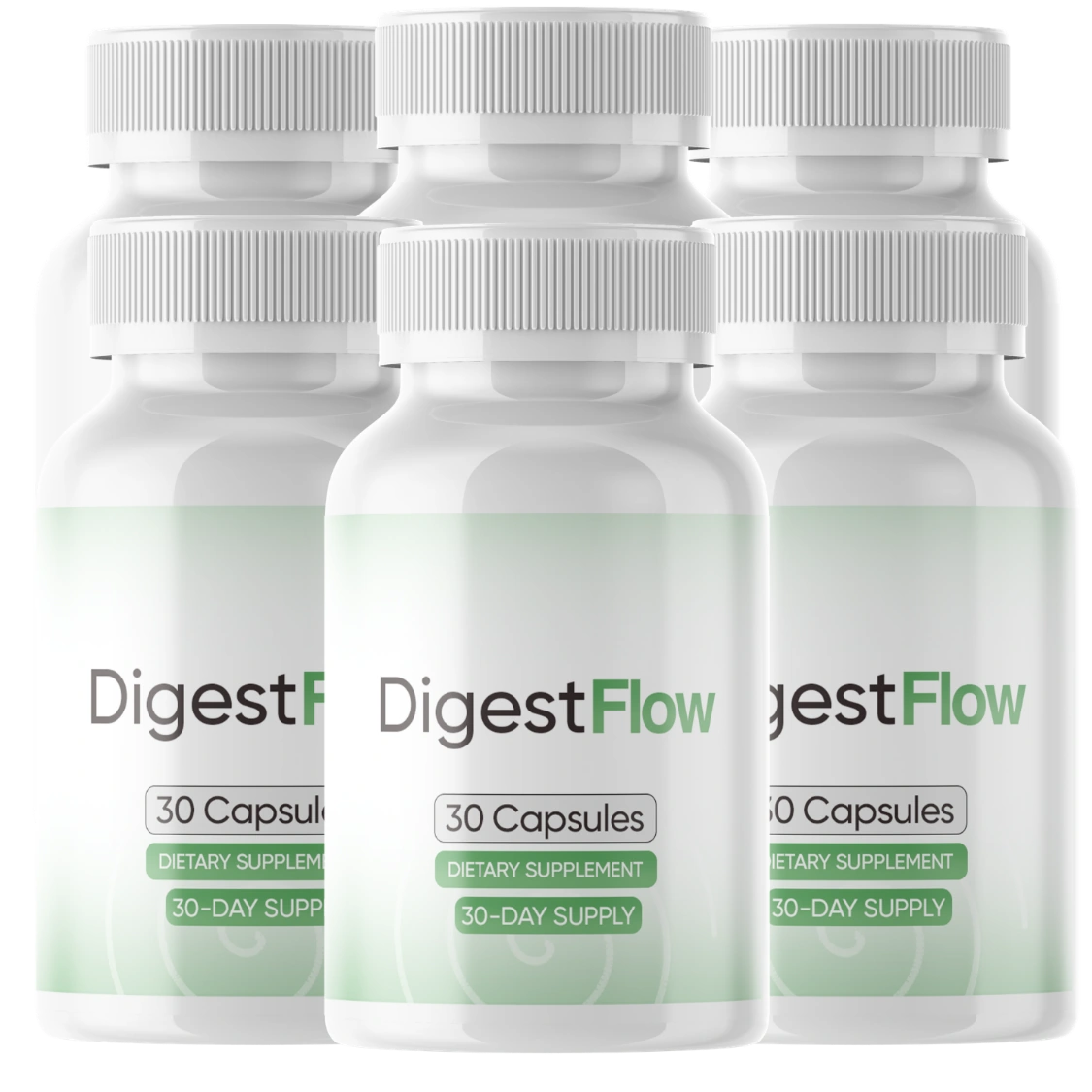
- DigestFlow is a capsule with a stimulant row, not a probiotic, not an enzyme and not a fibre.
- Bleeding, unexplained weight change, persistent pain, fever or a change lasting weeks need an examination, not a supplement.
Check 1: Which group does the bottle belong to?
Do this first, because the groups do different jobs. Most disappointment in this aisle comes from buying one group and expecting another.
| Group | How it acts | What it is poor at |
|---|---|---|
| Fibre | Adds bulk and holds water in the bowel | Acting fast, and being pleasant to take |
| Digestive enzymes | Work on the meal in the gut | Doing anything between meals |
| Probiotics | Add live organisms, strain by strain | Generalising, since evidence is narrow |
| Bitters and carminatives | Traditional action on secretion and trapped gas | Producing modern trial evidence |
| Stimulants | Act on motility | Being taken for ever without consequence |
A map of mechanisms, not a ranking of products.
The panel usually shows the group at once. The front of the box usually does not.
Check 2: Does it print every weight?
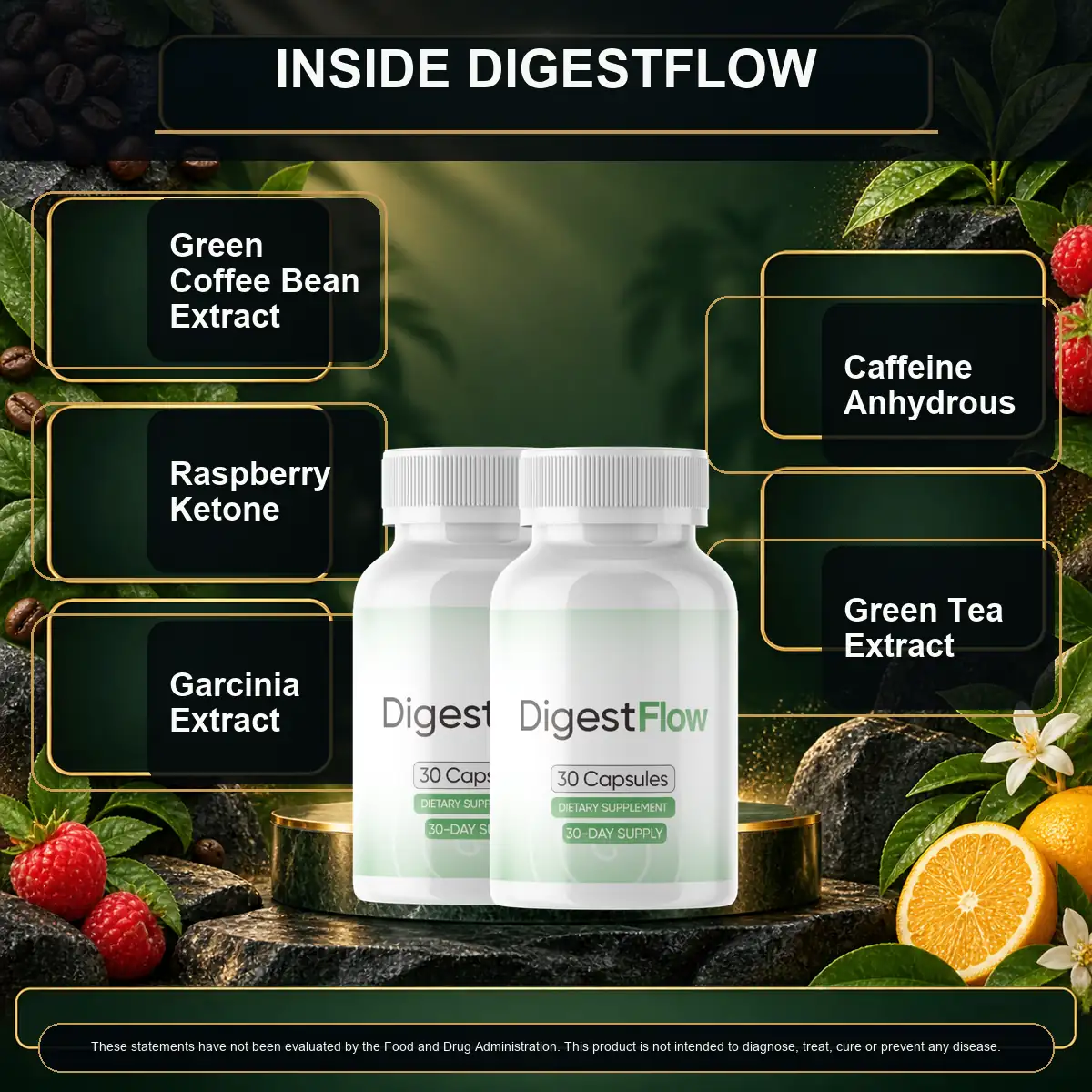
Look for one number covering several names. That is a proprietary blend, and it hides every single amount. Where each ingredient has its own milligram figure, you can compare it with research. DigestFlow prints a weight against all five actives, 658 mg in all, so it passes.
Check the serving size too. A two-capsule serving on a sixty-capsule bottle is a month, not two. DigestFlow is one capsule a serving, with 30 servings in a bottle, so the days are easy to count.
Check 3: Are the extracts standardised?
A plant weight without a percentage cannot be compared with anything. A 130 mg extract at 50% holds about 65 mg of the compound a study is about. A 500 mg extract at 5% holds only 25 mg.
Three DigestFlow rows print a percentage: 50% chlorogenic acids, 50% HCA and 45% EGCG. The other two are single compounds, so they need none. That is one of the label's better features.
Check 4: Is there caffeine hiding in the panel?
Caffeine can sit inside green tea, guarana and yerba mate rows without a total being stated. A label that gives the figure is telling you something others may not. DigestFlow prints caffeine anhydrous at 138 mg and adds a separate Contains Caffeine line.
If you already limit caffeine, this check decides the purchase. Add the capsule's 138 mg to your drinks and compare the total with the FDA figure of 400 mg for healthy adults.
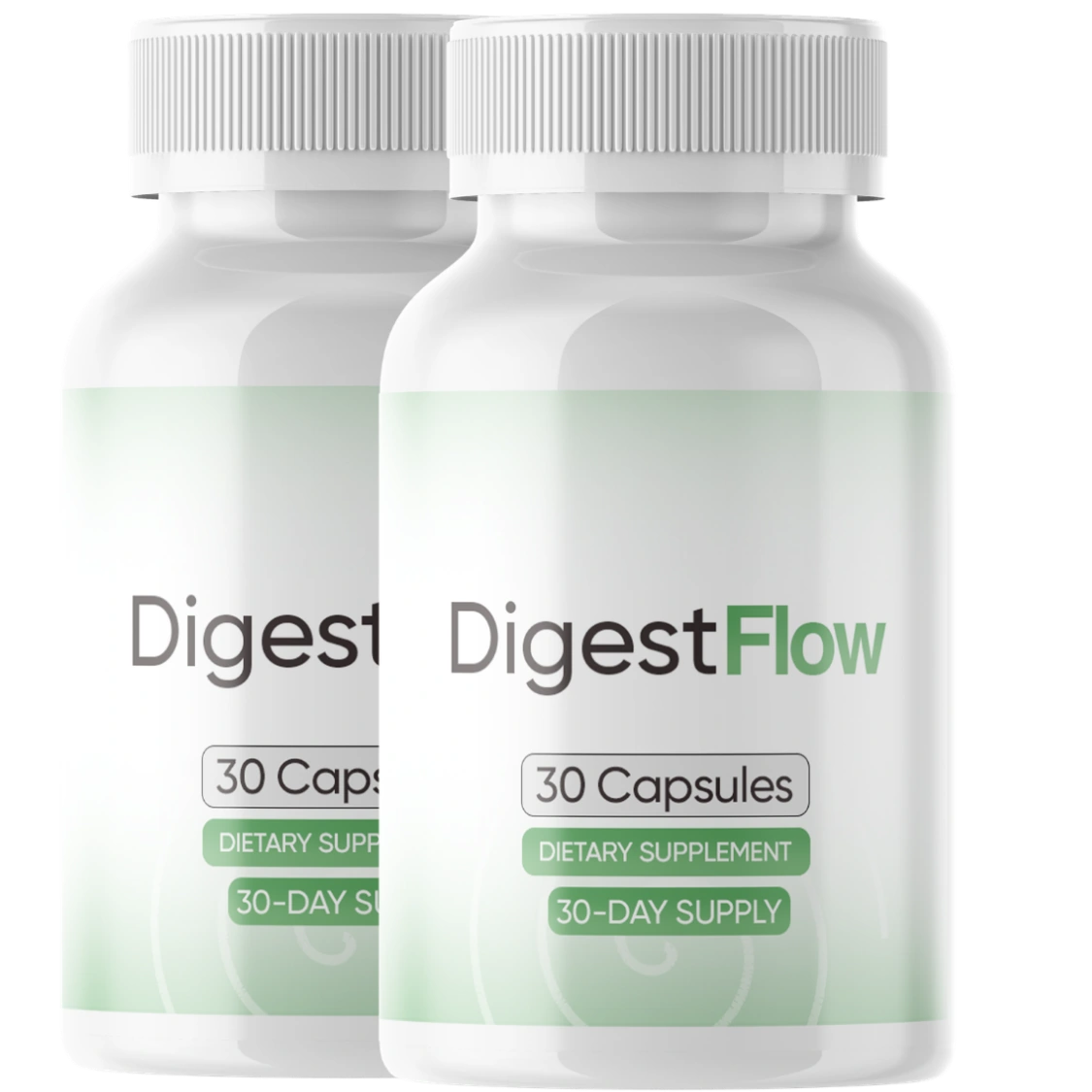
A label worth reading
If you want a stimulant-led capsule with every weight printed, the official page shows the price and the 60-day terms.
See today's price and guaranteeDisclosure: this website is a retailer and earns on the packs it sells. The checkout shows the amount you pay.
Check 5: Do the ingredients fit the claim?
This catches the most bottles. A panel built for one purpose and sold into another is common. Four of the five DigestFlow rows are the standard weight-management set, and only caffeine has a measured effect on the intestine. The label makes no weight claim and claims only digestive wellness support.
The site scores its own product low on this point, 3 out of 10, and explains why. Ask the same question of any bottle you read, including ones that sound more reassuring.
Check 6: Is there testing you can see?
A lot number is an identifier, not a test. The document to look for is a certificate from an independent laboratory that names the lot and the date. Very few products on the shelf publish one.
For DigestFlow a lot reference and a certificate reference are held on file, but the certificate itself is not published. That is common in the category and it is still a gap, so asking the seller for it is reasonable.
Check 7: Is there a usable way out?
Read the guarantee for three things: the length, a stated start date and who pays the return postage. Then look for a small pack, since a first purchase buys information, not a supply.
DigestFlow has a 60-day guarantee from purchase, but the seller's own information page words the start as the shipping date, and return postage is yours unless the parcel was damaged, faulty or wrong. The smallest way in is two bottles, which cost $158. Both points are on the guarantee page.
Do gut health supplements work?
It depends on the group. Fibre has the longest evidence and the lowest cost. Probiotics are real but narrow, and the national complementary health centre is candid that effects are specific to strain, dose and condition. Enzymes are clearest in one case, lactase for lactose, and weaker as broad blends.
Caffeine acts on motility and has been measured in the large bowel, yet it is not a long-term answer to a symptom nobody has explained. Nothing in this aisle can say why a symptom is there. That needs an examination.
Where does DigestFlow sit? In the stimulant group, with extras that come from another category. The site's own ten-question checklist scores it 7.1 out of 10 and publishes the two weak scores. This page names no best bottle, because the honest answer starts with which group you actually need.
Frequently asked questions
Do gut health supplements work?
It depends on the group. Fibre, enzymes, probiotics, bitters and stimulants act differently, and the evidence is strongest for some and narrow for others. None can say why a symptom is there.
Is DigestFlow a probiotic?
No. There is no bacterial strain, no enzyme and no fibre on the panel. It is a capsule with a stimulant row, caffeine, plus four extracts and compounds from another ingredient set.
What is the best gut health supplement?
This site names none. The right bottle depends on which group matches your need, and a doctor should look at persistent symptoms first.
Do probiotic supplements work for everyone?
Effects are specific to strain, dose and condition, according to the national complementary health centre. A result for one strain says little about another.
What should I check on a supplement label first?
The group, then whether every weight is printed, whether extracts carry a standardisation percentage, whether caffeine is declared and whether the claim fits the ingredients.
When should I see a doctor instead of buying a supplement?
For bleeding, unexplained weight change, persistent pain, fever or any change that lasts more than a few weeks.
Sources
- National Institute of Diabetes and Digestive and Kidney Diseases. Your Digestive System and How It Works: https://www.niddk.nih.gov/health-information/digestive-diseases/digestive-system-how-it-works
- National Center for Complementary and Integrative Health. Probiotics: What You Need To Know: https://www.nccih.nih.gov/health/probiotics-what-you-need-to-know
- National Institutes of Health, Office of Dietary Supplements. Dietary Supplements for Weight Loss: Health Professional Fact Sheet: https://ods.od.nih.gov/factsheets/WeightLoss-HealthProfessional/
- National Institute of Diabetes and Digestive and Kidney Diseases. Irritable Bowel Syndrome (IBS): https://www.niddk.nih.gov/health-information/digestive-diseases/irritable-bowel-syndrome
- National Center for Complementary and Integrative Health. Dietary and Herbal Supplements: https://www.nccih.nih.gov/health/dietary-and-herbal-supplements
- Otaif KD, Adawi HA, Alfaifi FM, et al. Chlorogenic acids and caffeine in commercial green coffee bean extract supplements: quantitative assessment and evidence of mislabelling. 2026. PMID 42154619: https://pubmed.ncbi.nlm.nih.gov/42154619/
- U.S. Food and Drug Administration. Spilling the Beans: How Much Caffeine is Too Much? FDA Consumer Update: https://www.fda.gov/consumers/consumer-updates/spilling-beans-how-much-caffeine-too-much
- The DigestFlow label as reproduced on this site
Our view
Most of the work in choosing a gut health supplement happens before you read a single review. Find the group, find the weights, find the caffeine and find the exit.
Our view: a label that prints everything and claims little deserves a fair hearing, and DigestFlow is such a label. It is also a stimulant-led capsule, so it answers a narrower question than the aisle suggests. If you wanted a probiotic or a fibre, buy that. If caffeine in the morning suits you, the capsule and its 60 days are an option. This is general information, not medical advice.
Choose the group first, then the bottle
If a once-a-day capsule with 138 mg of caffeine fits, see today's price and guarantee.
See today's price and guaranteeDisclosure: this website is a retailer and earns on the packs it sells. The checkout shows the amount you pay.
Last updated . Medically reviewed by Dr. Will Bulsiewicz, MD, Physician.